


Why do people get hooked on slot machines?
The Allure of Bright Lights and Sounds
The sensory experience of playing slot machines is one of the primary reasons individuals become attracted to them. The bright lights and vibrant colors create an engaging atmosphere that is difficult to resist. These visual elements are meticulously designed to capture attention and evoke excitement, often luring players in even before they place their bets. Many players find that this stimulating environment enhances not only their enjoyment but also their likelihood of returning for more, especially when they seek out an online casino fast withdrawal option that makes the experience even more rewarding.
In addition to captivating visuals, the sound design plays a crucial role in drawing players into the experience. The rhythmic jingles and celebratory tones associated with winning can elicit feelings of joy and excitement, reinforcing the desire to keep spinning. Research indicates that these auditory cues can stimulate the brain’s pleasure centers, making players crave the dopamine rush that comes with hitting a jackpot, however small. This combination of sights and sounds creates an immersive experience that can lead to extended play sessions and, for some, addiction.
The overall environment of casinos, often filled with other players cheering and celebrating wins, further enhances this sensory experience. The social aspect can make playing slot machines feel like a communal event, which increases their appeal. People often go to casinos not just for the games but for the atmosphere, where they can enjoy the thrill of the chase alongside others. This creates a compelling cycle of engagement that can draw individuals back repeatedly, making the act of playing more than just a solitary endeavor.
The Role of Randomness and Reward Systems
Slot machines are designed around the principle of randomness, making every spin an unpredictable event. This unpredictability creates a sense of excitement and anticipation in players, as they never know when they might hit a big win. The random number generator technology ensures that each spin is independent, making it difficult for players to predict outcomes. This randomness can lead to a phenomenon known as «near misses,» where players come close to winning, further fueling the desire to keep playing. The emotional rollercoaster of almost winning can be just as compelling as actually winning.
The structure of payouts and varying jackpots also plays a significant role in why players get hooked. Many machines offer high rewards for relatively low investments, encouraging players to try their luck in hopes of hitting a significant win. This potential for a huge payout, often communicated through flashing lights and buzzer sounds, keeps players engaged, making the experience not only thrilling but also tantalizingly hopeful. The more players win, the more they want to play, creating a cycle of reinforcement that can be challenging to break.
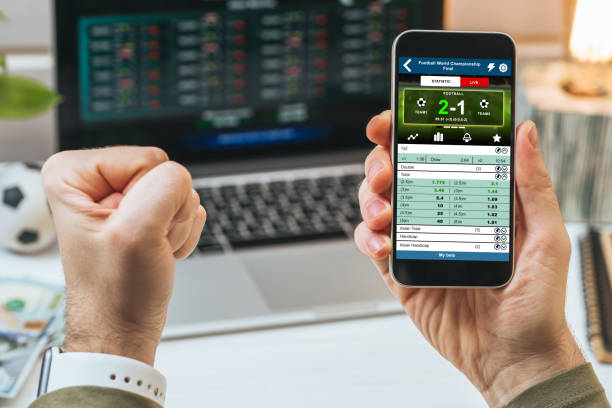
On an emotional level, the concept of intermittent reinforcement, where rewards come unpredictably, is a powerful psychological driver. This is frequently observed in gambling scenarios, where the thrill of winning is not just about the money but also about the excitement of the game itself. Players may chase the high of their last win, believing that the next spin could lead to a bigger payout. This cycle of anticipation and reward can quickly develop into a habit, making it challenging for some individuals to walk away from the machine.
The Impact of Social and Psychological Factors
The social dynamics surrounding slot machine gaming can greatly contribute to why individuals become hooked. Many players enjoy the communal atmosphere of casinos, where they can share their experiences with friends or make new connections. This social interaction is often seen as a form of entertainment, adding another layer to the appeal of slot machines. Some players may seek out the thrill of the game not just for the potential winnings but for the camaraderie and shared excitement that comes with it, making their gaming experience more fulfilling.
Psychological factors also greatly influence engagement with slot machines. The experience can serve as an escapism from the stresses of daily life, offering a chance for players to immerse themselves in an alternate reality where they are free to indulge. For some, the act of playing can become a coping mechanism, providing both thrill and distraction. The combination of engaging gameplay and mental relief may contribute to an ongoing desire to return to slot machines, as players seek comfort in the familiar environment that provides a break from their routines.
Furthermore, the concept of gambling as a social norm can play a role in increased participation. When individuals see others enjoying the excitement of playing, they may feel encouraged to join in. This herd mentality can spark interest and lead to increased gaming activity, as players find themselves wanting to experience the thrill that seems to be shared by others around them. It’s a powerful psychological influence that often bolsters an already strong draw to slot machines, creating a community of players eager to engage with the experience together.
The Development of «Player Loyalty» Programs
Casinos often implement loyalty programs aimed at encouraging repeat visits from players, especially for those who enjoy slot machines. These programs usually reward players with points for each dollar spent, which can be redeemed for various perks, such as free spins, meals, or even cash bonuses. This creates a sense of belonging and encourages players to remain loyal to specific machines or casinos. The more they play, the more rewards they accumulate, reinforcing the behavior and fostering a deeper attachment to the gaming environment.

Marketing tactics such as these are designed to create a bonded relationship between players and machines, magnifying the chances of returning. Players quickly learn that their engagement yields tangible benefits, and they’ll continue to chase the rewards associated with their loyalty. This leads to a situation where players may feel compelled to return, not just for the thrill of the game, but also for the perks tied to their loyalty status, making it harder to resist the temptation to play again and again.
The strategy behind these loyalty programs goes beyond just rewarding players; it is psychologically designed to make them associate their regular visits with both fun and valuable perks. Ultimately, these rewards establish a feedback loop where players are incentivized to engage more frequently, resulting in a cycle that can lead to a deeper addiction to slot machines. This connection between loyalty and reward can create a strong impetus to return time and again, further entrenching their gaming habits.
Explore More Insights on Slot Machines
At our website, we delve into the psychology behind slot machines and gambling behaviors to provide valuable insights. We offer a range of articles that explore various aspects of gaming, from understanding odds and payouts to highlighting responsible gambling practices. Our goal is to educate readers on the complexities of slot machine attraction and the potential risks involved in excessive playing, fostering a more aware and informed audience.
By understanding why people become hooked on slot machines, we hope to foster a more informed community of players. Our resources not only aim to enhance your gaming experience but also emphasize awareness of how to maintain healthy playing habits. Whether you’re a casual player or someone who is more deeply involved in the gaming scene, our content is designed to be thought-provoking and helpful, encouraging responsible enjoyment of the gaming experience.
Join us as we navigate the fascinating and sometimes challenging world of slot machines. Together, we can explore the dynamics behind this popular pastime and learn how to engage with it responsibly. Stay informed about the latest trends and research to make the best choices for your gaming journey while understanding the underlying factors that contribute to the allure of slot machines.


